Introduction
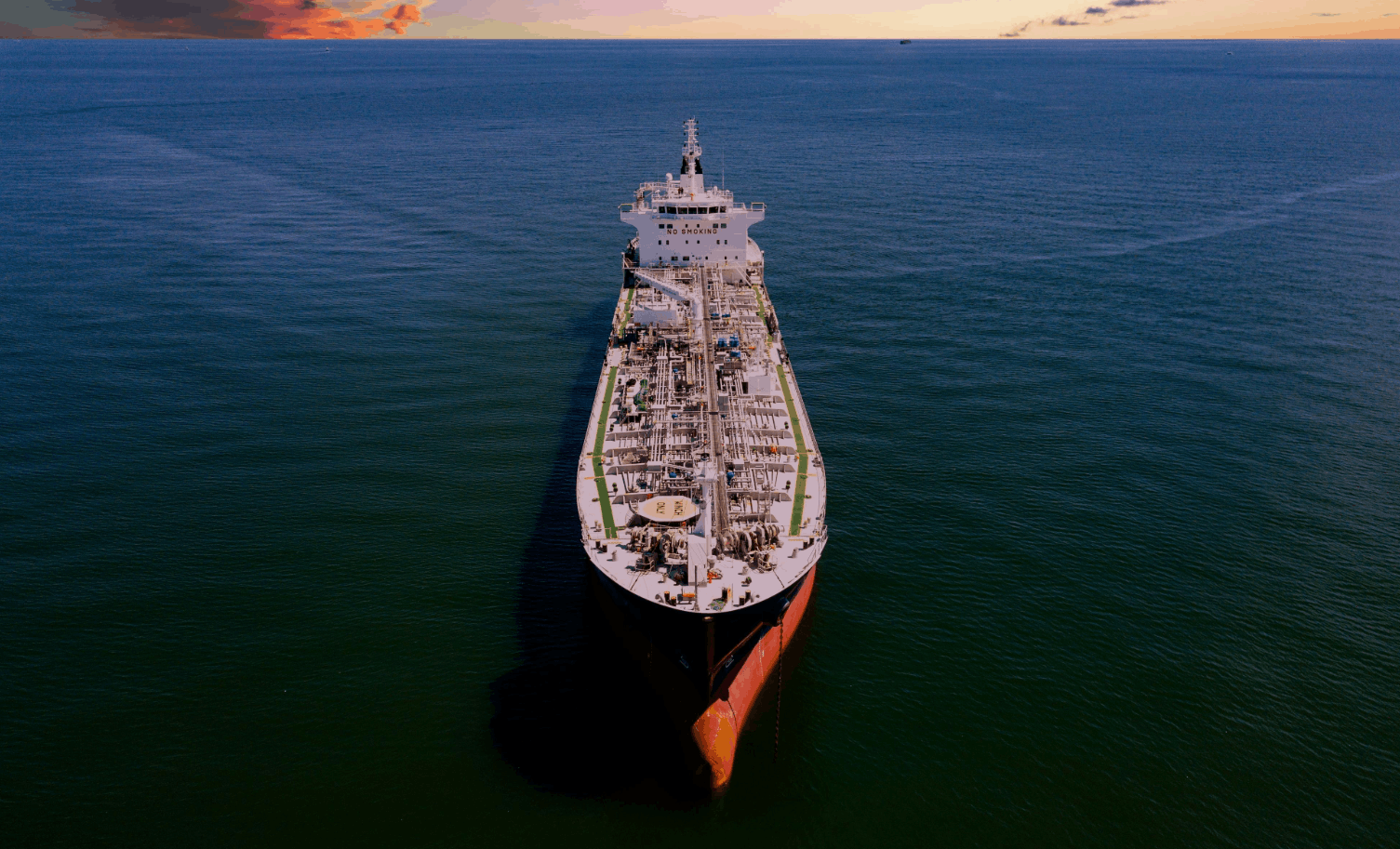
The Strait of Hormuz, a narrow waterway between Iran and Oman, has long been considered one of the most strategically important chokepoints in the global economy. Roughly 20% of the world’s daily oil supply and a significant share of global liquefied natural gas (LNG) exports pass through it on any given day. In late February 2026, shipping through the strait ground to a near-total halt, triggering what the International Energy Agency has called the worst energy crisis since the 1970s.
Oil prices in 2026 have surged more than 50% since the disruption began, with Brent crude briefly exceeding $126 per barrel before settling in a volatile range around $105-$114. European gas prices have more than doubled. Global stock markets have posted their worst monthly performance since 2022, with Asia particularly hard hit. The ripple effects have reached far beyond energy, reshaping trade routes, airline economics and investor sentiment across multiple sectors.
For investors, the Strait of Hormuz crisis raises urgent questions about portfolio exposure, sector rotation and how long the oil supply disruption might last. This article breaks down what has happened, which sectors are winning and losing, the inflation implications and what to watch in the months ahead.
Historical Context: Why the Strait of Hormuz Matters
The Strait of Hormuz has been a flashpoint for global energy markets for decades. During the Iran-Iraq War in the 1980s, both sides attacked tankers and laid naval mines throughout the Persian Gulf in what became known as the “Tanker War”. Although Iran limited its retaliatory attacks primarily to Iraqi shipping and the strait was never formally closed, the threat alone was enough to spike insurance premiums and disrupt shipping patterns, demonstrating that the strait could be functionally shut down through risk alone.
In the decades since, Iran has periodically threatened to close the waterway in response to international sanctions or military pressure. Each threat has sent temporary shockwaves through oil markets. However, until February 2026, the strait had never been effectively closed to commercial traffic.
What makes the Strait of Hormuz so critical is the sheer concentration of energy flows. Around 20 million barrels per day of crude oil and petroleum products pass through the waterway, along with roughly 20% of the world’s LNG exports, primarily from Qatar. There is no comparable alternative route for most of this volume. Saudi Arabia and the UAE have some pipeline capacity that can bypass the strait, but these routes can handle only a fraction of normal seaborne traffic. For practical purposes, if the Strait of Hormuz is closed, a fifth of the world’s oil supply is stranded.
What Happened: The Closure of a Global Chokepoint
In late February 2026, escalating military operations between the United States/Israel and Iran in the Middle East led to the effective closure of the Strait of Hormuz to commercial shipping. Major shipping firms suspended operations almost immediately and tanker traffic collapsed from over 150 daily vessel passages to as few as 13 within days. Iran’s Islamic Revolutionary Guard Corps declared that “not one litre of oil” would pass through the strait.
The closure effectively removed around 20 million barrels per day of oil from global transit routes. The crisis deepened when drone strikes hit Qatar’s Ras Laffan facility, the world’s largest LNG export plant and further attacks damaged Saudi Arabia’s Ras Tanura refinery and the UAE’s Ruwais refinery complex. Gulf oil production has fallen by an estimated 10 million barrels per day compared to March 2025, representing the largest oil supply disruption on record.
The disruption is now in its fourth week. On March 11, the 32 IEA member states unanimously agreed to release 400 million barrels from their strategic petroleum reserves, the largest coordinated release in the agency’s 50-year history. The United States led with 172 million barrels from its Strategic Petroleum Reserve, followed by Japan with 80 million, South Korea with 22.5 million and the United Kingdom with 13.5 million barrels. However, analysts have pointed out that this covers only about 20 days of normal Hormuz flows, described by one energy strategist as “a small bandage on a large wound”. Despite the historic release, Brent crude jumped 9.2% on the day of the announcement, a sign that markets view the measure as insufficient.
Oil Prices 2026: A Price Shock Not Seen in Years
The most immediate impact has been on energy prices. Brent crude surged from roughly $72 per barrel in late February to above $100 by March 8, the first time it crossed that threshold in four years. The oil price surge peaked around $126 before settling into a volatile range between $105 and $114, where it remains as of late March. Goldman Sachs has raised its oil price forecast, expecting Brent to average $110 through March and April, a 62% jump from the 2025 annual average.
The scale of the disruption is difficult to overstate. The amount of oil passing through the Strait of Hormuz has fallen to less than 10% of pre-crisis levels, forcing producers in Saudi Arabia, the UAE, Kuwait and Iraq to seek alternative export routes or curtail production. Analysts warn that if the disruption continues much longer, Gulf countries could exhaust their storage capacity, forcing further production shutdowns that would push Brent crude prices even higher. A prolonged closure beyond one month could see prices sustained above $120 per barrel.
US gasoline prices have already climbed to approximately $3.72 per gallon, up sharply from pre-crisis levels near $2.90-$3.00. The knock-on effects are being felt across transportation, logistics, and consumer goods, where higher fuel costs are filtering through to end prices.
Natural gas markets have been equally affected. European gas prices surged from around €32/MWh in February to above €50/MWh by mid-March, a jump of more than 60%. When strikes hit Qatar’s Ras Laffan LNG plant on March 19, European gas futures spiked a further 35%, pushing prices to more than double their pre-crisis levels. Around 25% of Europe’s total gas supply comes from LNG, and with roughly 20% of global LNG production sitting behind the strait, analysts have compared the potential impact to the 2022 shock following Russia’s invasion of Ukraine. According to HSBC, European gas prices could remain 40% higher than previously forecast and stay elevated through 2027.
For Asia, the picture is even more challenging. The region receives the majority of Gulf LNG exports and faces steeper price increases alongside potential supply shortages that could constrain industrial output and power generation.
Winners: Energy Stocks and Defence Stocks
Not all sectors have suffered. Energy stocks and defence stocks have been among the clearest beneficiaries of the crisis, with investors rotating aggressively into these areas. The energy sector is the best-performing sector in 2026 so far.
On the energy side, major oil and gas stocks have seen significant gains. Exxon Mobil jumped nearly 5% to an intraday record as crude pushed higher. LNG stocks have also rallied, with Cheniere Energy, Venture Global and Australia’s Woodside Energy all posting strong gains as global gas prices surged. Refinery stocks have also benefited, with Goldman Sachs naming Valero Energy, HF Sinclair and Marathon Petroleum as its top oil stock picks for the current environment. The broader rotation into energy stocks has been described as a definitive shift away from high-growth, low-margin businesses toward assets with real commodity backing.
Defence stocks have followed a similar path. Northrop Grumman rose 6%, lifted by its stealth-bomber and missile-defence technologies, while RTX (formerly Raytheon) gained nearly 5%. Palantir Technologies, whose data-analytics tools support intelligence operations, climbed almost 6%. In Europe, Germany’s Renk and Italy’s Leonardo posted gains as investors priced in potential increases in NATO procurement. The major US defence companies have reportedly agreed to “quadruple production” of weaponry following a White House meeting, signalling sustained demand regardless of how quickly the current crisis resolves.
Shipping companies with exposure to alternative trade routes have also benefited. Maersk shares rose as much as 7.7% as rerouted vessels mean longer journeys and higher freight rates. Container shipping firms that experienced similar gains during the Red Sea / Suez Canal disruptions are seeing history repeat.
Renewable energy stocks represent a quieter but potentially longer-lasting winner. Each major energy crisis strengthens the political and economic case for energy diversification. Solar and wind stocks have attracted renewed interest as governments reassess their dependence on Middle Eastern fossil fuels. NextEra Energy, First Solar and Brookfield Renewable are among the names seeing increased attention from investors looking to hedge against future supply shocks.
Losers: Airline Stocks, Travel and Asian Economies
Airline stocks have been among the hardest hit. Airspace closures across the Gulf region grounded thousands of flights, and the surge in jet fuel prices, from roughly $85-90 per barrel to between $150 and $200, has devastated airline margins. American Airlines fell nearly 17% since the conflict began, United Airlines dropped almost 20% and Delta declined 15% over the same period. Carriers have responded by hiking ticket prices sharply. A direct flight from Seoul to London, for example, jumped from $564 to over $4,300 in a matter of days. Emirates Airlines has reported significant losses from grounded operations.
Asia is particularly vulnerable to the energy crisis. The region sources roughly 60% of its crude oil from the Middle East and the disruption has triggered outright energy panic in several countries. South Korea’s KOSPI plunged 6.5% in a single session, Japan’s Nikkei fell 3.5% and Hong Kong’s Hang Seng tumbled more than 4%. Major Asian indexes have fallen more than 5% since the crisis began.
The vulnerability varies significantly by country. Vietnam’s oil reserves are estimated to last less than 20 days, while Pakistan and Indonesia maintain around 20 days of supply. India, Thailand and the Philippines have roughly two months of reserves. Japan is far better positioned with approximately 254 days of strategic stockpiles, partly explaining why its market has been more resilient than some regional peers.
Governments across Southeast Asia have already taken emergency energy security measures. The Philippines has switched to a four-day government workweek and reduced energy use by a fifth, with offices switching off computers during lunch breaks and keeping air conditioning no lower than 24 degrees. Several countries have curbed fuel exports to protect domestic supplies. Import-reliant nations have been forced into what analysts are calling “energy triage,” rationing scarce supply across essential services.
In Europe, the picture is also challenging. The European Central Bank held rates steady in March, saying the crisis has made the outlook “significantly more uncertain” and created “upside risks for inflation and downside risks for economic growth”. Eurozone growth could slow to just 0.5% in the second half of the year, compared to earlier expectations of around 1.2%. China’s growth could fall below 3%.
Inflation, Stagflation and Central Bank Response
The oil price surge is creating a dilemma for central banks around the world. Higher energy prices are filtering through to consumer and producer prices, raising inflation at a time when many economies were hoping for rate cuts. US CPI inflation came in at 2.4% annually in February, but the impact of higher oil prices has yet to hit the data, with Iran only officially announcing the closure in early March. Fed officials now see core inflation reaching 2.7% by year-end, up from earlier forecasts. Headline inflation in Europe is expected to average 2.6% in 2026, with the ECB blaming rising energy costs.
The challenge for central banks is that oil-driven inflation is fundamentally different from demand-driven inflation. Raising interest rates cannot increase the supply of oil. If central banks tighten policy to contain prices, they risk slowing growth further without addressing the underlying supply problem. This combination of rising prices and slowing growth has revived fears of stagflation, a scenario last seen in the 1970s when oil shocks produced years of high inflation and economic stagnation.
The Fed has held rates steady, with expectations for the next rate cut pushed back to mid-2027. The ECB has done the same. For investors, this means the era of easing that markets were pricing in at the start of 2026 may be delayed significantly. Fixed-income portfolios, growth stocks and rate-sensitive sectors like real estate could face sustained headwinds if the energy crisis persists.
Gold Prices and Safe Haven Assets: A Mixed Picture
One of the more surprising outcomes of the Strait of Hormuz crisis has been gold’s relatively muted response. Gold prices initially surged to test $5,400 per ounce in the first days of the disruption but quickly pulled back, falling more than 6% to around $5,085 before stabilising in the $5,050-$5,200 range, where they have traded for most of March.
Several factors explain this. Rising oil prices have raised concerns about prolonged inflation, which could lead to higher interest rates. A stronger dollar and higher Treasury yields have also weighed on gold, as they increase the opportunity cost of holding a non-yielding safe haven asset. For investors who expected gold to rally sharply during a major crisis, the price action has been a reminder that safe haven flows do not always behave as expected, particularly when the crisis itself is inflationary.
That said, longer-term gold price forecasts remain bullish. JP Morgan has a year-end 2026 target of $6,300 per ounce, while Deutsche Bank is projecting $6,000. The structural case for gold, driven by central bank buying and de-dollarisation trends, remains intact regardless of short-term volatility. If the crisis drags on and stagflation fears intensify, gold could see renewed inflows as investors seek protection against both inflation and economic slowdown.
Supply Chain Disruption Beyond Energy
The Strait of Hormuz crisis is not just an energy story. More than 80% of global trade moves by sea and the disruption to one of the world’s most critical shipping lanes has sent ripple effects through global supply chains far beyond oil and gas.
Fertiliser supply chains have been hit particularly hard, raising concerns about agricultural input costs in the coming planting season. Many fertiliser production processes depend on natural gas as a feedstock and the surge in gas prices has increased production costs at the same time that physical shipments are being delayed. Higher fertiliser costs could translate into higher food prices later in the year, adding another inflationary pressure.
High-tech manufacturing, which relies on complex global logistics with tight delivery windows, has also been affected. Freight costs have risen sharply as ships are rerouted around longer alternative paths, adding time and expense to deliveries. Industries that depend on just-in-time supply chains are the most exposed.
The supply chain disruption echoes the Red Sea and Suez Canal disruptions of recent years but on a significantly larger scale. For investors, it reinforces the importance of supply chain resilience as an investment theme and highlights the exposure of companies that depend heavily on Middle Eastern shipping routes. Companies with diversified sourcing and logistics networks are better positioned to weather the disruption than those with concentrated exposure.
A Potential Turning Point?
As the crisis enters its fourth week, mixed signals are emerging about the path forward. On March 22, the US president suggested objectives were close to being met and that military operations could wind down. Sanctions on Iranian oil currently loaded on ships have been temporarily lifted until April 19, a possible signal of de-escalation. Reports of “productive talks” between the US and Iran briefly sent Brent crude down more than 6% to $105 on March 23.
However, significant risks remain. Iran has threatened to close the Strait of Hormuz indefinitely if its energy infrastructure is attacked further. The US has demanded the strait be reopened by Monday evening, with threats of strikes on Iranian power plants if it is not. Iran’s response was that if power plants are destroyed, the strait will not reopen until they are rebuilt. Oil prices climbed back toward $113 as the day progressed and uncertainty returned.
The situation remains highly fluid. Diplomatic breakthroughs could come quickly, but so could further escalation. For investors, this uncertainty itself carries a cost, as elevated volatility suppresses risk appetite and makes long-term planning difficult across every affected sector.
Oil Price Forecast and What Investors Should Watch
Beyond the immediate question of de-escalation, several variables will shape the investment landscape in the coming weeks and months:
- Duration of the closure. Every additional week increases the economic damage exponentially. If the strait remains closed beyond a month, production shutdowns in the Gulf become likely, which could push Brent well above $120 on a sustained basis.
- Alternative export routes. Saudi Arabia has activated its East-West pipeline and is now routing roughly half of its oil exports via this bypass, but the pipeline system is approaching its limits. Combined bypass capacity across Saudi Arabia and UAE pipelines covers only a fraction of normal Hormuz volumes, meaning even as pipeline utilisation rates near 100% there will be less oil leaving the Gulf region than normal
- Further strategic petroleum reserve releases. The IEA’s 400 million barrel release is a short-term measure. Additional releases would signal that authorities expect a prolonged disruption. Watch for a second coordinated release if the crisis extends into April.
- Inflation and central bank response. If energy prices remain elevated, central banks may delay rate cuts further or even consider hikes. The Fed’s next move is now not expected until mid-2027. Any shift in language from the Fed or ECB will move markets.
- Asian energy security. Countries with thin reserves, particularly Vietnam, Pakistan, and Indonesia, are the most vulnerable. Watch for rationing measures, emergency policy changes, or bilateral energy deals with non-Gulf suppliers.
- European gas supply. Damage to Qatar’s Ras Laffan LNG plant could have lasting effects on European gas prices even after the strait reopens. HSBC forecasts elevated prices through 2027.
- Energy stocks vs. the broader market. Energy and defence remain the strongest performing sectors. If the crisis drags on, this rotation could accelerate further. If a resolution emerges, expect a sharp reversal into beaten-down sectors like airlines, travel and Asia-based equities.
- Renewable energy momentum. A prolonged crisis strengthens the long-term investment case for solar, wind and battery storage as governments accelerate energy diversification. This is a slower-burning theme but one with potentially lasting portfolio implications.
Sector Implications and DCSC
The Strait of Hormuz crisis cuts across dozens of sectors, making it essential for investors to understand where their portfolio exposure lies. DCSC’s Dynamic Company Sector Classification system tracks over 1,500 sectors, allowing investors to map their holdings against the specific industries affected by the energy disruption.
Key sectors to explore include oil and gas production, LNG, shipping and freight, airlines, defence and aerospace, fertilisers, and renewable energy, which stands to benefit from renewed urgency around energy diversification. Investors may also want to examine their exposure to rate-sensitive sectors like real estate, consumer discretionary, and growth technology, all of which could face headwinds if the inflationary impact of the crisis delays central bank easing.
With the crisis still evolving and its outcome uncertain, sector-level analysis is one of the most effective tools for understanding where the risks and opportunities lie. Explore the full sector taxonomy at DCSC.ai.
Leave a Reply